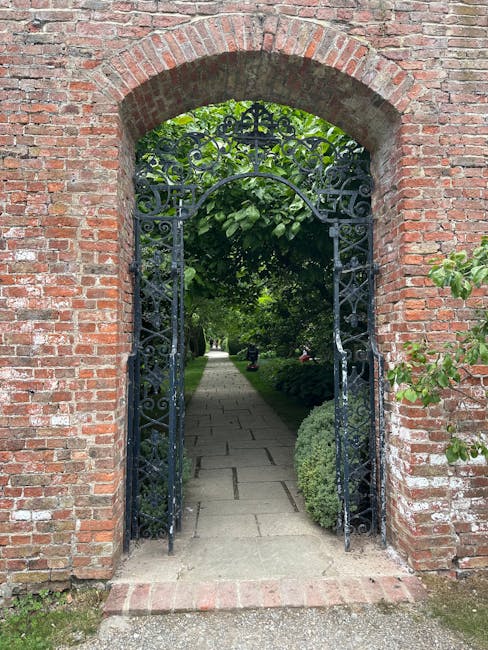
Common problems gardeners face with gate access Sanderstead
If you have ever tried to move a mower, hedge trimmer, wheelbarrow, or a full pile of green waste through a narrow gate on a wet afternoon, you already know the issue. Common problems gardeners face with gate access Sanderstead can slow a job down, add strain, and turn a straightforward visit into a bit of a puzzle. In Sanderstead, where gardens can be compact, split-level, tucked behind side passages, or awkwardly positioned around fencing and driveways, access is often just as important as the gardening itself.
This guide explains the real-world access problems gardeners run into, why they matter, how professionals usually work around them, and what you can do to make garden visits smoother. It is practical, local, and aimed at helping you avoid those frustrating little delays that always seem to appear when the grass is long and the weather has already turned.
Table of Contents
- Why gate access matters in Sanderstead gardens
- How garden access is usually handled
- Key benefits of planning access properly
- Who this is for and when it makes sense
- Step-by-step guidance for smoother access
- Expert tips for better results
- Common mistakes to avoid
- Tools, resources and recommendations
- Law, compliance, standards and best practice
- Options, methods and comparison table
- Case study or real-world example
- Practical checklist
- Conclusion
- Frequently asked questions
Why Common problems gardeners face with gate access Sanderstead Matters
Access sounds simple until you are the one wheeling a lawn mower through a gate that only opens part way because of a swollen post, a sticking latch, or a hedge that has grown a little too fond of the path. In practice, gate access affects time, effort, safety, and the quality of the work. If a gardener cannot get equipment in and out cleanly, even routine jobs like mowing and hedge trimming can take longer than expected.
It also affects what can realistically be done in one visit. For example, a straightforward clearance might need extra hand tools instead of machine equipment. A pruning job may require more trips back and forth. And if access is poor enough, waste removal can become clumsy or, in the worst case, unsafe.
For homeowners in Sanderstead, the issue often sits somewhere between convenience and prevention. A decent gate arrangement helps protect paving, reduces the chance of damage to flower beds and fencing, and keeps the work flowing. That sounds obvious, but in real life people often notice access only after the first snag. Let's face it, nobody thinks about a gate until the wheelbarrow gets stuck.
Good access planning also supports better communication. If a gardener knows in advance that the side gate is narrow, the lock is temperamental, or the key is kept with a neighbour, the visit can be planned sensibly. That means fewer surprises, less rushing, and a calmer day all round.
How Common problems gardeners face with gate access Sanderstead Works
Gate access is really about the route from street to garden and the way equipment, materials, and waste move through it. In an ideal setup, a gardener can open the gate fully, enter without scraping anything, work comfortably, and leave without leaving mud, debris, or marks behind. Simple. In the real world, it is rarely quite that neat.
Most access problems fall into a few categories. Some are physical: the gate is too narrow, the path is uneven, or the opening is blocked by bins, bikes, or overgrown planting. Others are practical: the owner is not home, the key is not available, or the gate has a tricky latch that needs two hands and a fair bit of patience. Then there are weather-related issues. A rainy morning can turn a compacted path into a slippery strip, especially where moss or algae has built up.
Gardeners usually work around these issues by adjusting the method. That may mean bringing smaller equipment, splitting the job into sections, protecting surfaces with boards or mats, or planning waste removal in stages. For heavier work, it may also mean recommending a separate clearance visit or a more general tidy-up from the start. If you want a broader overview of what professional teams can handle, the services overview is useful as a starting point.
There is also an important people side to it. Access is smoother when expectations are clear. A short message about gate width, lock type, or pets in the garden can prevent a lot of guesswork later. It is not glamorous, but it works.
Key Benefits and Practical Advantages
Getting gate access right brings a few very real advantages, and they are not just for the gardener. Homeowners tend to notice the difference once the job starts running smoothly instead of stopping every ten minutes.
- Less disruption: Equipment can be moved in and out with fewer delays.
- Lower risk of damage: Tight corners, soft lawns, and fence panels are less likely to be knocked or scraped.
- Better finish: A smoother route means more time spent on the actual work, not wrestling with access.
- Improved safety: Fewer awkward lifts and fewer trips through cramped spaces reduce the chance of injury.
- Cleaner visits: Waste, soil, and cuttings can be removed with less mess along the way.
There is another advantage people overlook: better access often reduces stress on everyone involved. A gardener working in a tight, difficult garden is more likely to slow down, improvise, and double-check each step. That is sensible, but it can make the job feel more expensive or more complicated than it ought to be. When access is clear, the whole visit feels more professional and more predictable.
For recurring jobs such as mowing, hedge maintenance, or seasonal tidy-ups, the benefit is even bigger. Small access improvements made once can save time every single visit after that. Over a year, that adds up. Quietly, but noticeably.
Who This Is For and When It Makes Sense
This topic matters to a wide range of people in Sanderstead. Homeowners with mature gardens, landlords preparing a property, older residents who need lighter-touch maintenance, and anyone planning regular garden care all benefit from thinking about access early.
It especially makes sense if your garden has one or more of the following:
- a side gate that is narrower than a standard garden mower or wheelbarrow
- steps, slopes, or awkward turns between the front and back garden
- shared access with neighbours
- locked gates without an easy key handover
- overgrown hedging, brambles, or planting close to the gate
- decorative paving, gravel, or decking that could be damaged by repeated foot traffic
It also matters if the job is time-sensitive. A garden clearance before a move, a hedge cut before visitors arrive, or a lawn tidy before a family gathering can all be thrown off by one stubborn gate. You do not want the first ten minutes to be spent trying to prize a latch open with a screwdriver. That happens more than people admit.
If you are arranging professional help, it is worth discussing access alongside the work itself. Some jobs suit regular maintenance, while others are better handled as a one-off clearance or a more substantial landscaping visit. You may find it helpful to explore garden maintenance or, if the space needs a bigger reset, garden clearance.
Step-by-Step Guidance
If you want fewer access headaches, a simple process usually works best. Nothing fancy. Just a bit of forethought.
- Check the gate width properly. Do not guess. Measure the clear opening, not just the gate itself, because hinges and posts can reduce usable space.
- Look at the route beyond the gate. A wide gate is no help if the path immediately narrows around a planter, bin store, or steep step.
- Identify awkward hardware. Sticky bolts, stiff latches, missing keys, and old padlocks can all slow things down.
- Clear the access line. Move bikes, bins, hose reels, plant pots, and anything else that makes a narrow route even narrower.
- Think about the weather. Wet paving, slippery moss, and soft borders are common trouble spots in damp weather. A few minutes of prevention helps a lot.
- Tell the gardener what to expect. A quick note about pets, shared gates, uneven ground, or restricted access can save a lot of backtracking.
- Plan the waste route too. If clippings and branches need to come out through the same tight gate, make sure the path is workable both ways.
For jobs involving larger cutting, pruning, or tree work, access matters even more. Branches, trimmings, and tools take up space fast. In those situations, it can help to combine access planning with services such as hedge trimming or tree lopping and removal, depending on what the garden actually needs.
And if the access problem is tied to a bigger outdoor redesign, it is sometimes worth looking at landscaping or landscape gardening so the layout supports easier movement in future. That is the longer view, but sometimes the long view is the sensible one.
Expert Tips for Better Results
Here is where a little experience saves a lot of hassle. The best access solutions are usually boringly practical, which is exactly what you want.
- Open the gate fully before the visit: A gate that only opens halfway feels bigger on paper than it does in person.
- Lubricate hinges and latch points: This is a small thing, but it can make repeated opening far easier.
- Keep a spare key arrangement if appropriate: Only if you are comfortable doing so, and only with clear instructions. It avoids those awkward messages where everyone is standing at different doors.
- Protect delicate surfaces: On decorative paving or decking, even careful foot traffic can leave marks. Temporary boards or mats can help.
- Prune back tight growth near the gate: A hedge with a mind of its own can steal precious centimetres of access. Regular trimming makes a bigger difference than many people expect.
- Use smaller tools where needed: On awkward sites, compact tools can be more efficient than forcing bigger equipment through a poor route.
A small but useful habit: walk the route once before work starts, as if you were carrying a heavy wheelbarrow and trying not to clip the edges. That mental rehearsal shows up the pinch points quickly. You notice the wobble in the paving slab, the thorny branch at shoulder height, the bin that always seems to live in the wrong place. Little things, yes. But little things are often the difference between a smooth day and a grumpy one.
If you are booking regular care, the team handling your lawn mowing or general upkeep will usually appreciate a clear access setup. It may even make the difference between a quick visit and a needlessly awkward one.
Common Mistakes to Avoid
Access mistakes are usually harmless until they are not. Most are easy to fix once you know what to look for.
- Assuming the gate is "fine" because it opens: Opening is not the same as being usable with tools or waste bags.
- Forgetting about the return journey: Getting into the garden is one thing; getting cuttings, soil, or bags back out is another.
- Leaving access instructions too late: A message sent five minutes before arrival is not very helpful, to be fair.
- Ignoring overgrowth near the entrance: Overhanging branches and hedges can reduce width and make access feel much tighter than it should.
- Not checking for surface hazards: Wet steps, loose gravel, and hidden changes in level are common trip points.
- Using a job plan that does not fit the access: A large-scale clearance plan may not suit a narrow side passage without adjustment.
One other mistake is underestimating the time factor. A team may be technically able to get the work done, but poor access can stretch a morning job into a much longer one. That does not mean the work cannot happen. It means the approach needs to be realistic.
Tools, Resources and Recommendations
You do not need a fancy toolkit to improve gate access. In many cases, a few modest items and some sensible planning are enough.
- Measuring tape: Essential for checking clear gate width and awkward gaps.
- Gloves: Helpful when dealing with thorny overgrowth, rough wood, or old metal fittings.
- Door wedge or temporary gate prop: Useful where a gate keeps swinging shut, though only where safe and suitable.
- Brush or broom: Handy for clearing gravel, mud, and debris from the access route before and after work.
- Wheelbarrow or trug sized to the route: Smaller can be better in tighter gardens.
- Basic lighting: If access is dim or shaded, even a simple portable light can help avoid missteps.
For homeowners who want a more organised long-term approach, regular garden maintenance is often the most practical recommendation. It keeps hedges, paths, and gateways in better shape, so the access route does not slowly disappear under foliage and clutter.
If the problem is more structural, not just seasonal, it may be worth reviewing the way the garden is laid out. Simple design choices can make future visits easier, and that is where thoughtful landscape gardening can quietly pay off. Not glamorous. Very useful, though.
Law, Compliance, Standards and Best Practice
Gate access is not usually a legal puzzle, but there are still sensible standards to keep in mind. In the UK, anyone doing garden work should act with care around property, people, and shared spaces. If access is awkward, the main best-practice goal is to reduce the risk of injury and property damage.
That means checking that routes are safe, not forcing equipment through spaces that are clearly too tight, and being honest about what can be done safely on the day. Good practice also includes respecting neighbours when access is shared, keeping gates secured where appropriate, and avoiding unnecessary disturbance to adjoining land.
Where tools, ladders, heavy cuttings, or tree work are involved, safety matters even more. Professional providers should have suitable processes for handling risk, and homeowners should expect clear communication if access creates limitations. If you want reassurance around working practices, the pages on health and safety policy and insurance and safety are useful trust signals.
On a practical level, it is also sensible to think about responsible disposal of garden waste. Access problems can make waste handling messier than expected, which is one reason some teams put a lot of emphasis on recycling and sustainability. It is not just about being tidy. It is about handling the job responsibly.
Options, Methods, or Comparison Table
Different access problems call for different responses. Here is a simple comparison that shows how the approach changes depending on the situation.
| Access situation | Best practical approach | What it helps with |
|---|---|---|
| Narrow side gate | Use compact tools and smaller loads | Reduces scraping, lifting strain, and slow movement |
| Locked or key-controlled gate | Arrange access in advance and confirm handover | Avoids delays at arrival |
| Overgrown entrance | Trim back growth and clear the route first | Restores width and visibility |
| Slippery paving or steps | Improve surface grip and use care with foot traffic | Reduces slips and surface damage |
| Large waste volume | Plan staged removal or a separate clearance visit | Makes exit routes manageable |
In some gardens, a simple maintenance visit is enough. In others, access limitations reveal a deeper layout issue, and then the better option is to rethink the route altogether. For example, if you are already planning new paving, planting beds, or structural changes, a wider conversation about decking services or broader landscaping may help avoid future bottlenecks.
Case Study or Real-World Example
A typical Sanderstead-style situation goes like this. A homeowner wants a garden tidy-up after several weeks of growth, plus some hedge cutting and a bit of clearing. The front access is easy enough, but the side gate is tight, the latch is sticky, and the hedge has grown into the passage just enough to make carrying tools awkward.
On arrival, the first thing the gardener notices is not the lawn. It is the access. The mower would fit, but only just. The wheelbarrow would pass, but not without care. There is also a shallow step near the gate that could easily become a trip point if the route gets rushed. Rather than trying to force everything through at once, the work is adjusted: smaller tools are used, the hedge is cut back first, and waste is removed in stages so the path stays clear.
The job still gets done, but the difference is in the shape of the day. Less stopping and starting. Fewer "hang on a second" moments. No scraping the gate post with a heavy bin bag. The garden ends up looking tidy, and the access route is now better for next time too. Simple, really, though it rarely feels simple while you are doing it.
That is the real lesson here: access problems do not always need dramatic solutions. Often, a few adjustments are enough to turn a frustrating setup into a workable one.
Practical Checklist
Use this checklist before a gardening visit, especially if access has caused problems before.
- Measure the clear gate opening.
- Check whether the gate opens fully and locks properly.
- Clear bins, bikes, plant pots, and loose items from the route.
- Look for low branches, thorns, or hedge growth near the entrance.
- Check the path for steps, slopes, or slippery patches.
- Confirm where keys, codes, or access instructions are stored.
- Think about where cuttings and waste will leave the garden.
- Tell the gardener about pets, neighbours, or shared access if relevant.
- Make sure lighting is adequate if the visit may start early or end late.
- Decide whether the garden needs regular maintenance or a one-off clear-out.
If you can tick most of those off, you are already ahead of the curve. Not perfect, maybe. But better. Much better.
Conclusion
The common problems gardeners face with gate access Sanderstead are usually not dramatic, but they are very real. Narrow openings, awkward latches, overgrown hedging, slippery paths, and poor planning can all make a simple visit harder than it should be. The good news is that most of these issues are manageable with a little preparation and clear communication.
If you treat access as part of the garden job rather than an afterthought, everything tends to go more smoothly. The work is safer, the finish is better, and the whole experience feels more organised. That is good for gardeners and reassuring for homeowners too.
For many properties, the smartest next step is to review the route through the garden before the next visit, then decide whether regular upkeep, a clearance, or a layout change would help most. A small bit of planning now can save a lot of awkwardness later. And honestly, that is usually worth it.
Get a free quote today and see how much you can save.
Frequently Asked Questions
What are the most common gate access problems gardeners face in Sanderstead?
The most common issues are narrow gates, stiff latches, blocked routes, overgrown hedges, and awkward steps or slopes. In practice, these are the things that slow a garden job down fastest.
Why does gate access matter so much for garden work?
Because tools, wheelbarrows, cuttings, and waste all need to move through the same space. If access is poor, the work takes longer and there is a greater risk of damage or strain.
How can I tell if my gate is too narrow for gardening equipment?
Measure the clear opening and compare it with the width of the tools or barrow that need to pass through. Remember to account for hinges, latch fittings, and anything that narrows the usable gap.
Should I clear the access route before the gardener arrives?
Yes, if you can. Moving bins, bikes, pots, and other clutter out of the way makes a noticeable difference. It also reduces the chance of accidental damage.
What if the gate is locked and I cannot be there?
Arrange access in advance and be clear about where keys are kept or how entry should happen. The more specific the instruction, the fewer delays on the day.
Can gardeners work around a very awkward side passage?
Usually, yes, but the approach may need adjusting. Smaller tools, staged waste removal, or a modified work plan can make a big difference in tight spaces.
Does overgrown hedging near the gate really affect access that much?
Absolutely. Even a small amount of growth can reduce the usable width, catch clothing, or make carrying equipment awkward. Regular trimming helps more than people expect.
What should I do if my garden has slippery paving near the gate?
Keep the area clean and free of moss, leaves, and mud where possible. If it is a recurring issue, consider improving the surface or asking for careful access planning during wet weather.
Is poor gate access a reason to book garden clearance instead of maintenance?
Sometimes, yes. If the garden is badly overgrown or cluttered, clearance may be more realistic before regular maintenance can work properly.
How do professionals usually handle access problems safely?
They adapt the equipment, plan the route, work in stages if needed, and avoid forcing heavy items through unsafe gaps. Good communication before the visit makes this much easier.
Can gate access affect the cost of garden work?
It can, because difficult access may take extra time or require a different method. The exact impact depends on the garden and the work involved, so it is best treated as a planning factor rather than a fixed rule.
What is the best long-term solution for repeated gate access issues?
Usually, it is a mix of regular maintenance and small layout improvements. Keeping hedges cut back, paths clear, and gates easy to open prevents the same issue from returning every visit.