Insider tips for garden maintenance near South Croydon CR2
If you live near South Croydon CR2, you already know the garden can turn on you a bit. One week it looks tidy and manageable; the next, the lawn is patchy, the hedge has shot up, and leaves seem to appear from nowhere. The good news? A few insider tips for garden maintenance near South Croydon CR2 can save a lot of time, money, and weekend frustration. This guide brings together practical, local-minded advice on what actually works, when to do it, and how to keep your outdoor space looking cared for without overcomplicating the job.
Whether you are maintaining a small front garden, a family back garden, or a larger property with hedges, trees, and hard landscaping, the aim is the same: keep things healthy, safe, and easy to manage. And yes, that is possible even if you are juggling work, school runs, or just a very stubborn patch of moss.
Contents
- Why insider garden maintenance matters
- How garden maintenance works in practice
- Key benefits and practical advantages
- Who this is for and when it makes sense
- Step-by-step guidance
- Expert tips for better results
- Common mistakes to avoid
- Tools, resources and recommendations
- Law, compliance, standards, or best practice
- Options, methods, or comparison table
- Case study or real-world example
- Practical checklist
- Conclusion
- Frequently asked questions
Why insider garden maintenance near South Croydon CR2 matters
Gardens in and around South Croydon tend to deal with a familiar mix of conditions: shade from mature trees, fast spring growth, damp corners, compacted soil, and the odd wind-blown mess after a storm. That combination means maintenance is not just about making things look neat. It is about preventing small issues from becoming expensive ones.
For example, a hedge that is left too long can become woody and awkward to reshape. A lawn that is cut too short in warm weather may thin out faster than you expect. And a border that looks "wild but fine" in April can become a weed nursery by June. To be fair, gardens have a way of making themselves known when they have been ignored for a bit.
Good maintenance also supports long-term structure. Healthy shrubs flower better. Lawns recover more evenly. Paths and patios stay safer when moss and leaf build-up are managed. If you are planning upgrades later, tidy groundwork makes a huge difference too. A well-kept base makes landscaping or even smaller improvements feel smoother, because you are not starting from chaos.
There is also a quieter benefit: a garden you can actually enjoy. That first cup of tea outside on a mild morning, with the air smelling slightly of wet soil and cut grass, is much easier to appreciate when the space is not overwhelming you.
How insider garden maintenance near South Croydon CR2 works
At its simplest, garden maintenance is the ongoing care of outdoor space so it stays healthy, safe, and presentable. In practice, it usually combines a few core tasks: mowing, edging, pruning, hedge care, weeding, clearing debris, seasonal tidy-ups, and checking for anything damaged or overgrown.
The "insider" part is not some secret trick. It is more about sequencing and timing. The best results usually come from doing the right task at the right moment rather than trying to do everything all at once. A lawn cut after heavy rain, for instance, can smear and stress the grass. A hedge trimmed at the wrong point in its growth cycle can leave an uneven finish. And a full clear-out right before nesting season can create avoidable complications. Little details, but they matter.
Good maintenance in CR2 often works best as a rolling plan:
- Weekly or fortnightly: mowing, light weeding, edging, and quick checks.
- Monthly: hedge shaping, pruning small growth, clearing beds, and checking drainage or patio grime.
- Seasonally: bigger cuts, soil improvement, leaf clearance, and reshaping tired areas.
If the garden has a lot of overgrowth, mixed planting, or awkward access, it may be more sensible to start with garden clearance and then move into a maintenance rhythm. That often feels less dramatic than it sounds, and honestly, it can be a relief to get the messy bit out of the way first.
Key benefits and practical advantages
The obvious benefit is that the garden looks better. But the practical benefits go deeper than appearance.
- Healthier planting: Regular pruning and sensible feeding help shrubs and borders stay vigorous.
- Safer surfaces: Clearing moss, leaves, and loose debris reduces slip hazards on paths and patios.
- Better lawn condition: Routine mowing at the right height helps turf stay denser and less patchy.
- Less catch-up work: Small jobs are easier than dealing with a season's worth of growth in one go.
- Stronger property presentation: A tidy garden helps with kerb appeal, especially if you are thinking about selling or renting.
- More usable space: You are more likely to sit out, eat outside, or let children play when the space feels under control.
There is also a financial angle, though it is easy to overlook. Preventive maintenance generally reduces the need for more disruptive work later. A lawn mown consistently is less likely to need major recovery. Hedges trimmed early are easier to manage. Raised beds and borders that are kept under control do not spiral into big weekend projects you dread before breakfast.
If you need regular help, it can be useful to look at a dedicated garden maintenance service as part of a broader plan rather than treating each task as a one-off emergency.
Who this is for and when it makes sense
This sort of maintenance guidance is useful for a wide range of households and property types near South Croydon CR2.
- Busy homeowners: If you want the garden to stay presentable without spending every weekend on it.
- Older residents: If heavy lifting, bending, or ladder work has become less practical.
- Landlords and letting agents: If the outdoor area needs to remain tidy between tenancies.
- Families: If you need the space to be safe, usable, and not full of surprises.
- People with larger plots: Bigger gardens need a more structured routine, otherwise the work stacks up quickly.
- New homeowners: If the garden came with the house and is a bit more ambitious than you expected. Happens all the time.
It also makes sense if you are noticing repeated problems rather than one-off mess. For example: the hedge always looks shaggy by mid-summer, the lawn struggles after dry spells, or the back corner keeps filling with leaves and moss. Those are signs the maintenance plan needs adjusting, not just more effort.
And if your outdoor area has mixed features like fencing, decking, and mature planting, you may need a broader upkeep approach. In that case, services such as decking services or hedge trimming can sit alongside routine care rather than being separate problems to solve later.
Step-by-step guidance
Here is a practical way to manage a typical garden near South Croydon CR2 without making it a mammoth job.
- Walk the garden first. Do a slow lap and look for what needs immediate attention: overgrown edges, dead leaves, broken branches, clogged drains, weeds, and any patchy grass.
- Start with clearance, not finesse. Move obvious debris first. It is much easier to trim, cut, and weed once the surface is visible. No point trying to perfect a bed full of sticks and leaves.
- Tackle the lawn. Mow only when the grass is reasonably dry and avoid taking too much off in one cut. A gradual approach is kinder to the turf.
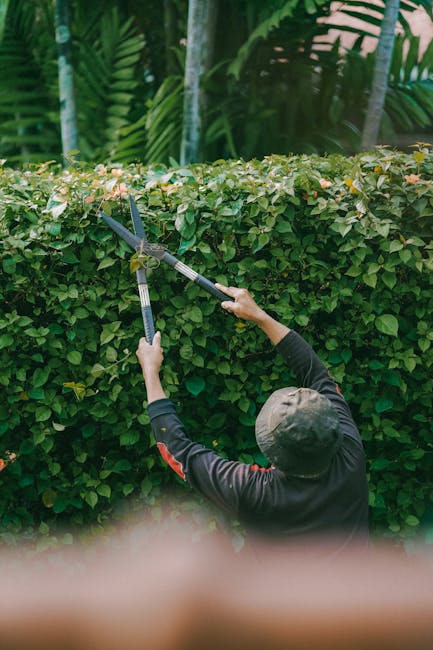
- Shape hedges and shrubs. Trim lightly and regularly rather than waiting for a heavy reset. That is usually neater and less stressful on the plant.
- Weed strategically. Pull weeds from the root where possible, especially around borders and paving joints. If you leave the root behind, they tend to come back with a bit of attitude.
- Check drainage and hard surfaces. Sweep patios, clear gullies, and remove moss or algae build-up where safe to do so.
- Finish with edges and detail. Clean edges, tidy pots, and rake loose material for a more polished look. The small finishing touches are what make a garden feel cared for.
One useful habit is to divide the garden into zones. Front, side, back, then borders, lawn, hardstanding, and any awkward corners. That prevents the usual "I'll just do that bit later" problem, which somehow turns into Sunday evening.
For gardens with significant growth or years of clutter, starting with services overview can help you understand which tasks belong together and which ones need a specialist approach. It is a simple way to avoid piecemeal work that never quite finishes.
Expert tips for better results
This is where the small gains live. These are the things experienced gardeners tend to think about without fussing over them.
1. Cut less, more often
That applies especially to lawns and hedges. Frequent light maintenance is usually easier on the garden than an occasional hard reset. You get a smoother finish and less shock to the plant.
2. Watch the moisture in the soil
Soil in South Croydon gardens can swing between compacted and sticky after rain, then dry and cracked later. If the ground is sodden, wait. If it is bone dry, water properly rather than dribbling a bit on the surface and hoping for the best.
3. Prune with purpose
Remove dead, crossing, or congested growth first. Then shape. It sounds obvious, but a lot of messy pruning comes from chopping at the outside without thinking through what the plant actually needs.
4. Keep on top of the edges
Clean lawn edges and bed lines make the whole garden look sharper, even if the planting is fairly relaxed. A neat edge is a small thing, but it changes everything. Strange, really.
5. Use the weather to your advantage
Early mornings or mild, dry days are usually best for mowing and trimming. On windy days, leaf clearing can be a losing battle unless you work methodically and accept that more leaves will arrive. Because they always do.
6. Build in seasonal reset points
Instead of treating maintenance as a constant burden, book a few reset moments each year. Spring tidy-up, midsummer touch-up, autumn leaf management, winter prep. That rhythm is often the difference between manageable and overwhelming.
7. Think about the whole garden, not just the lawn
A healthy lawn looks odd if the hedges are wild and the borders are collapsed. The best gardens are usually balanced. If one part keeps getting neglected, it drags the rest down.
If you are unsure where to start, a reliable first step is often the most boring one: clear the clutter, then make a plan. Not glamorous, but it works.
Common mistakes to avoid
Some garden problems are not caused by neglect so much as by well-meant but slightly off-target maintenance.
- Cutting grass too short: This can stress the lawn, especially during warm or dry periods.
- Ignoring hedge growth until it becomes woody: Overgrown hedges are harder to reshape neatly.
- Leaving wet leaves in place: They can become slippery and encourage mossy patches.
- Using blunt tools: Blunt blades tear rather than cut, which makes plants look ragged and can slow recovery.
- Skipping the edges: Untidy edges make the whole garden feel unfinished.
- Trying to do everything in one exhausting session: That is how people end up avoiding the garden for another month.
- Overlooking safety: Branches, ladders, and debris are not worth rushing. A sprained wrist turns a tidy-up into a proper nuisance.
Another common mistake is assuming all overgrowth should be attacked in the same way. A soft ornamental shrub, a mature hedge, and a tired lawn all need different handling. If in doubt, keep the first pass gentle and observe how the garden responds.
Tools, resources and recommendations
You do not need a shed full of specialist gear to keep a garden in shape, but a few dependable tools make life much easier.
| Task | Useful tool | Why it helps |
|---|---|---|
| Lawn care | Quality mower | Gives a cleaner cut and handles regular maintenance more efficiently |
| Hedge and shrub trimming | Hand pruners or hedge trimmer | Helps shape growth cleanly and reduces ragged edges |
| Weeding | Hand fork or weeding tool | Lets you remove roots more effectively around borders and paving |
| Clearing debris | Rake and garden bags | Makes quick work of leaves, clippings, and twigs |
| Surface cleaning | Broom or stiff brush | Keeps patios, steps, and paths safer and tidier |
| General upkeep | Gloves and secateurs | Useful for everyday jobs and a bit kinder on your hands |
For bigger jobs, or when the garden needs a proper reset, it can help to look at lawn mowing support alongside hedge work and clearance. That way the site is handled as a whole, not in frustrating little fragments.
If you want to keep things sustainable, think about how cuttings and green waste are handled. A sensible approach to disposal and reuse is often better than simply bagging everything up. The page on recycling and sustainability is useful for understanding how responsible garden waste handling fits into routine care.
Law, compliance, standards, or best practice
Garden maintenance is often straightforward, but there are still a few standards and duties worth respecting, especially in a residential area like South Croydon CR2.
First, safety matters. If work involves ladders, power tools, or larger branches, it should be approached carefully and in line with sensible working practices. That does not mean every homeowner needs formal procedures taped to the shed door. It does mean using stable footing, proper protective gear, and not stretching for awkward branches just because you want one more inch of reach. Tempting, though.
Second, be mindful of wildlife and nesting activity. In the UK, trimming and clearing should be done thoughtfully, particularly in spring and early summer. If there is any sign of nesting birds or active wildlife, it is best to pause and reassess rather than press on blindly.
Third, if you are using a contractor, it is reasonable to ask about insurance, safety practices, and how waste is managed. Professional garden work should be carried out with appropriate care, and a clear approach to safety is part of that. You can check a provider's insurance and safety information and read the health and safety policy if you want reassurance before booking.
It is also sensible to understand service terms and payment expectations before work starts. That avoids awkwardness later, and it is just plain good practice. The terms and conditions and payment and security pages are the kind of thing people often skim, then wish they had read properly. We have all done it.
If you are comparing providers, look for clear explanations rather than vague promises. You want a team that can explain what will be done, what will not be done, and what the practical next step is if the garden needs more than a simple tidy.
Options, methods, or comparison table
Different gardens need different approaches. Here is a simple comparison that may help you decide what suits your situation.
| Method | Best for | Pros | Watch-outs |
|---|---|---|---|
| DIY upkeep | Small to medium gardens, light growth, confident owners | Flexible, low cost, immediate control over timing | Can become inconsistent; heavy or awkward jobs may take longer than expected |
| Scheduled maintenance | Busy households and gardens that need regular care | Keeps growth in check and reduces big seasonal catch-up jobs | Needs commitment to a routine |
| Clearance then maintenance | Overgrown or neglected gardens | Creates a clean starting point and makes future upkeep easier | May feel like a bigger first step, but usually worth it |
| Specialist support for specific tasks | Hedges, lawns, trees, or hard landscaping features | Better results on technical jobs, often more efficient | Requires choosing the right service for the right job |
If your garden has several layers of work, you might need a mixed approach. For instance, routine care on the lawn, periodic hedge trimming, and occasional larger interventions where growth has got away from you. That is perfectly normal. Gardens are rarely neat little boxes, despite what catalogues suggest.
Case study or real-world example
Here is a realistic example based on the sort of situation many South Croydon homeowners face.
A semi-detached property with a modest back garden had become hard to enjoy. The lawn was thin at the edges, the hedge had gone lopsided, and the patio had developed a dull layer of grime and leaf stain. Nothing dramatic, just enough to make the whole space feel tired.
The first step was to clear the obvious debris and cut back the worst growth. That alone made the garden feel larger. Then the lawn was lifted back to a sensible height rather than scalped, the hedge was reshaped gradually, and the patio was swept and washed. A few border weeds were removed, and the whole place was given a seasonal tidy rather than a full redesign.
The interesting bit was not the amount of work, but the order of it. Once the clutter was removed, the owners could see what really mattered. One corner needed drainage attention; another simply needed a few new plants. Without that first pass, they might have spent money on the wrong thing. Happens all the time.
By the end, the garden was not "finished" in the glossy, magazine sense. It was better: calm, usable, and easy to keep on top of. That is often the real goal anyway.
Practical checklist
Use this quick checklist before, during, or after your garden maintenance session near South Croydon CR2.
- Walk the whole garden before starting.
- Remove obvious debris, dead growth, and loose waste first.
- Check lawn condition before mowing.
- Trim hedges lightly rather than overcutting.
- Weed borders, paths, and hard-to-see corners.
- Clear leaves from patios, paths, and gutters where relevant.
- Inspect for broken branches, unstable pots, or slippery patches.
- Keep tools sharp, clean, and stored safely.
- Plan the next maintenance date before you put everything away.
- Consider whether the garden needs a reset, not just a tidy.
Expert summary: the best garden maintenance plans are simple, regular, and realistic. They focus on small wins, sensible timing, and the right level of effort for the condition of the garden. That is what keeps things manageable over the long term.
If your garden has started to feel like a recurring weekend project, it may be time to speak with a local team that understands the pace and practical needs of the area. You can contact the team here if you want to discuss a tailored approach, or read more about who they are and how they work before taking the next step.
Get a free quote today and see how much you can save.
Conclusion
Good garden maintenance near South Croydon CR2 is not about chasing perfection. It is about staying ahead of the mess, knowing which jobs matter most, and building a routine that fits real life. A tidy lawn, controlled hedges, clean paths, and clear borders all add up to a garden that feels welcoming rather than demanding.
The real insider tip? Start small, stay consistent, and do not wait for the garden to become a project before you give it attention. A little care now saves a lot of catch-up later. And truth be told, that is what most people want: a garden that behaves itself, more or less.
When you get the rhythm right, the whole place changes. It feels lighter, calmer, and easier to enjoy on an ordinary afternoon, which is probably the best outcome of all.
Frequently Asked Questions
What is included in garden maintenance near South Croydon CR2?
It usually includes mowing, edging, weeding, hedge trimming, pruning, leaf clearance, and tidying of paths or borders. The exact mix depends on the garden's condition and the season.
How often should a garden be maintained?
Most gardens benefit from weekly or fortnightly attention in the growing season, with larger seasonal jobs layered in as needed. Smaller gardens may need less, but regular checks still help.
Is it better to do garden maintenance myself or hire help?
If your garden is small and you enjoy the work, DIY can be fine. If the garden is overgrown, physically awkward, or time-consuming, professional help may be more practical and less stressful.
What is the difference between garden clearance and garden maintenance?
Garden clearance is the reset: removing heavy overgrowth, waste, and clutter. Maintenance is the ongoing care that keeps the garden tidy afterwards. Many gardens need both in sequence.
When is the best time of year for hedge trimming?
That depends on the hedge type and how it grows. In general, light trimming is better than leaving it until it becomes overly woody, but it is wise to be cautious during nesting season and follow sensible UK best practice.
Can regular mowing improve lawn health?
Yes, if it is done properly. Cutting too short can damage the lawn, but steady mowing at an appropriate height helps keep grass denser and more even.
What are the most common garden maintenance mistakes?
The biggest ones are cutting too much at once, ignoring weeds until they spread, leaving wet leaves in place, and not keeping an eye on safety or timing.
Do I need specialist help for trees or large branches?
If the work is beyond simple pruning, or if height and weight make it risky, specialist support is the safer option. Larger trees and structural issues should never be treated casually.
How do I know if my garden needs a full clearance rather than routine maintenance?
If you cannot easily see the borders, paths are blocked, or the lawn and planting areas are badly overgrown, a clearance first usually makes more sense. Maintenance alone may not be enough.
Are there any rules I should think about before trimming or clearing?
Yes. Be mindful of wildlife, nesting birds, and safe tool use. If you hire a contractor, it is reasonable to check insurance, safety practices, and payment terms before agreeing to work.
What should I ask before booking a garden maintenance service?
Ask what is included, how waste is handled, whether the team is insured, how they approach safety, and whether they can handle both routine and specialist tasks if needed.
What is the easiest way to keep a garden looking tidy all year?
The easiest approach is a simple routine: light mowing, regular weeding, hedge and shrub checks, and a seasonal clear-out. Small and steady beats occasional panic every time.