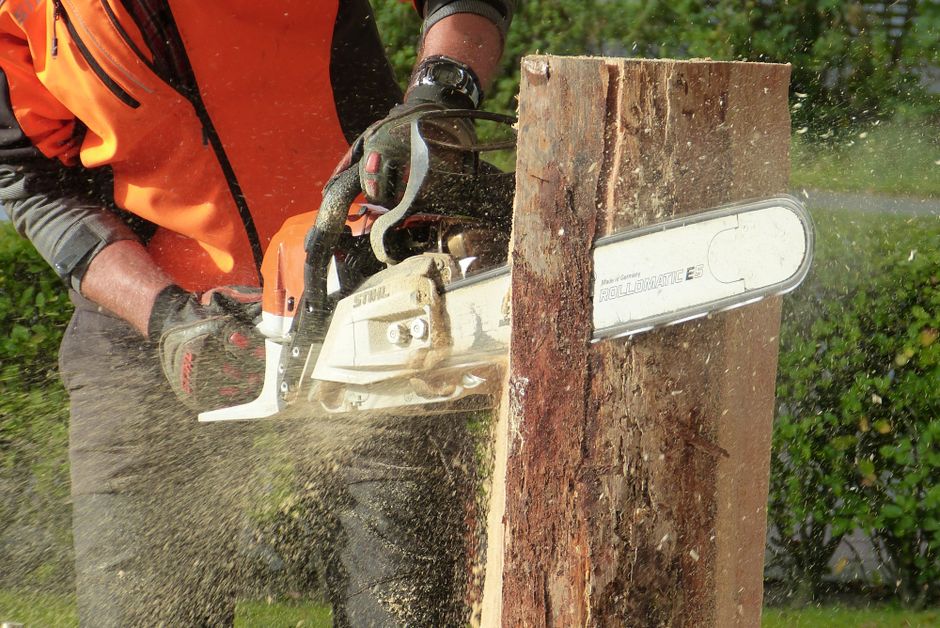
Same day gardeners in Sanderstead for emergency clearance
If your garden has suddenly become unsafe, blocked, or just completely out of hand, same day gardeners in Sanderstead for emergency clearance can be a real lifesaver. Maybe a storm has scattered branches across the lawn. Maybe a hedge has collapsed, bins are hidden behind overgrowth, or you need a rental property cleared before inspection. Whatever the trigger, speed matters, but so does doing the job properly.
This guide explains what emergency garden clearance actually involves, how same-day response usually works, what to expect on arrival, and how to tell whether a quick fix will be enough or whether you need a fuller clearance. You will also find practical checklists, common mistakes, and useful best-practice advice so you can make a calm decision when the pressure is on. Let's face it, when a garden is suddenly a problem, the last thing you need is vague advice.
For a broader overview of the wider service range, you can also explore the services overview and the dedicated garden clearance service pages.
Table of Contents
- Why Same day gardeners in Sanderstead for emergency clearance Matters
- How Same day gardeners in Sanderstead for emergency clearance Works
- Key Benefits and Practical Advantages
- Who This Is For and When It Makes Sense
- Step-by-Step Guidance
- Expert Tips for Better Results
- Common Mistakes to Avoid
- Tools, Resources and Recommendations
- Law, Compliance, Standards, or Best Practice
- Options, Methods, or Comparison Table
- Case Study or Real-World Example
- Practical Checklist
- Conclusion
- Frequently Asked Questions
Why Same day gardeners in Sanderstead for emergency clearance Matters
Emergency clearance is about restoring control quickly. In Sanderstead, gardens are often a mix of family spaces, narrow side access, mature planting, sheds, fences, and the occasional awkward corner that seems to collect everything. When something goes wrong, the issue is rarely just cosmetic. It can affect access, safety, neighbour relations, damp, pests, or the ability to use the property at all.
A fallen branch across a driveway is an obvious example. But the less obvious cases can be just as urgent. A heavily overgrown front garden can make entry difficult for residents and visitors. A cluttered rear garden may stop tradespeople from reaching a fence line, decking area, or repair point. After wet weather, slick debris and broken stems can be a slipping hazard. And if you are preparing a rental, a sale, or a move-out, time pressure turns a messy garden into a genuine operational problem.
Same-day help matters because delay has a habit of making everything worse. Freshly broken branches become heavier once soaked. A pile of cuttings starts to smell, attract insects, and spread across paths. Thick growth hides trip hazards. There is a practical edge to this work, but also a human one. When the garden outside your window looks like a minor disaster, the emotional relief of seeing it cleared the same day is not small. It really isn't.
Expert summary: emergency garden clearance is not only about tidying up fast; it is about removing immediate risks, reopening access, and creating a safe base so the rest of the garden can be managed properly.
If the issue sits between urgent and ongoing, a good starting point is often a fast clearance followed by routine care through garden maintenance, lawn mowing, or hedge trimming.
How Same day gardeners in Sanderstead for emergency clearance Works
Most same-day emergency clearances follow a fairly simple pattern, though the exact approach depends on the size of the job and how urgent it is. The aim is to assess the situation quickly, prioritise the hazards, and clear the accessible areas first. If you have ever watched a team work through a garden after a windy night, you will know the rhythm: identify danger, remove obstruction, stack and sort, then tidy what remains.
The process usually begins with a short call or message. The gardener needs enough detail to understand the scope: what has happened, how much space is affected, whether there are trees involved, and whether access is clear for tools or waste removal. A photo can help a lot, though not every job can be judged fully from one. Sometimes a small-looking pile at the gate turns out to be a much larger tangle once you get into it. Classic garden trick, that.
When the team arrives, they will normally start by checking for immediate safety concerns. That may mean unstable branches, broken glass, sharp debris, damaged fencing, or anything that could create more risk during removal. From there, the clearance is broken into practical tasks: cutting back vegetation, gathering loose material, removing waste, and making the area safe enough to use again.
For larger or more complex work, clearance may be combined with other services. A storm-damaged tree might need assessment alongside tree lopping and removal. Thick boundary growth may require later shaping with hedge trimming. If the garden has been neglected for a while, clearance may be the first stage before longer-term landscaping or landscape gardening.
In practice, speed comes from being prepared. The better the initial brief, the faster the right tools, labour, and disposal plan can be put in place. That is why clear communication saves time, and probably money too.
Key Benefits and Practical Advantages
The obvious benefit is speed, but emergency clearance delivers more than just a tidy finish. A properly handled same-day visit should leave the property safer, easier to access, and much less stressful to live or work around.
- Immediate hazard reduction: loose branches, unstable piles, slippery clippings, and blocked pathways are dealt with quickly.
- Restored access: driveways, side gates, entrances, and rear garden routes can be reopened the same day in many cases.
- Cleaner presentation: useful if you are dealing with tenants, buyers, neighbours, landlords, or family members visiting after an incident.
- Less chance of escalation: a quick response can prevent minor damage from becoming a bigger repair job.
- Better planning afterwards: once the mess is gone, you can see what needs pruning, repair, or longer-term improvement.
There is also a quieter advantage that people sometimes overlook: clarity. A garden in chaos makes decisions harder. Once the area is clear, you can actually see the fence line, the beds, the lawn, the patio edges, and the shape of the space again. That visual reset matters. It helps you think.
If you want to understand how emergency work fits within the wider service picture, the about us page gives more context about the team and its approach, while insurance and safety explains the kind of reassurance homeowners often want before agreeing to urgent work.
Who This Is For and When It Makes Sense
Same-day garden clearance is useful for more people than you might think. It is not only for dramatic storm damage or total overgrowth. In real life, urgency shows up in smaller but still pressing ways.
You may need it if you are:
- a homeowner dealing with sudden garden debris after strong wind or heavy rain;
- a landlord or letting agent preparing a property between tenancies;
- a tenant needing to restore access before check-out or inspection;
- a family member helping an older relative whose garden has become unsafe to navigate;
- a business owner or property manager with outdoor areas that must be kept clear;
- someone who has started a DIY project and discovered that the garden waste is far bigger than expected;
- trying to make a front garden presentable ahead of guests, photos, or a sale.
It makes sense when the job is time-sensitive and practical rather than aesthetic. For example, if a hedge has suddenly fallen into a shared pathway, that is urgent. If a flower border is simply untidy, it may be better handled as part of routine maintenance. Same-day gardeners are most valuable when waiting is likely to cause extra risk, extra inconvenience, or extra cost.
Ask yourself one simple question: do I need this garden cleared today, or do I merely want it improved soon? That one question cuts through a lot of noise.
Step-by-Step Guidance
If you are arranging same-day help, the process is usually straightforward. Still, knowing the sequence makes it easier to stay calm and get the best result.
- Identify the immediate problem. Is it blocked access, fallen material, overgrowth, or a mix of issues? The clearer your description, the quicker the response.
- Take a few photos if you can. Wide shots help show the scale. Close-ups help show damage, dense growth, or unsafe areas. Not perfect, just useful.
- List the access details. Gate width, parking, side passage space, locked areas, pets, and shared entrances all matter.
- Prioritise the dangerous parts. Mention anything unstable, sharp, heavy, or waterlogged. These are the bits that can change the plan.
- Confirm what you want removed. Some people want only the emergency section cleared. Others want a fuller reset of the space.
- Ask about waste handling. Green waste, timber, soil, and mixed debris may need different handling or loading arrangements.
- Walk through the finished area. Once the garden is cleared, check access routes, boundary edges, and any remaining risks before the team leaves.
That last step matters more than people realise. In the rush to get the job done, it is easy to overlook a hidden snag behind a shed or a low branch hanging into a path. A good clear-up is not only about what has been removed; it is also about what has been left safe.
For more general ongoing care after an urgent visit, many people move straight into garden maintenance so the same problem does not return within a fortnight. That is often the sensible next move, to be fair.
Expert Tips for Better Results
A fast response works best when the job is set up well. A few small choices can make the outcome noticeably better.
1. Separate the emergency from the nice-to-have
If a team is arriving the same day, let them focus on what matters first: safety, access, and removals. Decorative tidying, delicate shaping, and broader redesign ideas can wait. If everything is urgent, nothing is. A bit harsh, but true.
2. Be specific about access
It helps to say whether the garden is reached through the house, a side gate, a shared alley, or a rear lane. In tight Sanderstead streets, access can shape the entire job. The right route saves time and reduces damage to lawns, borders, and paving.
3. Mention anything hidden
Old pots, buried wires, broken sleepers, loose slabs, or compost piles can all affect how clearance is done. The team does not need a novel, but a few honest details help avoid surprises.
4. Think about the aftermath
If the garden has been cleared because of a tree problem, a hedge collapse, or long neglect, ask what will stop it happening again. Sometimes the answer is a bit of pruning. Sometimes it is simply routine cuts, mowing, and boundary care. If the space needs a more comprehensive refresh, the team may suggest landscaping or related improvement work once the immediate pressure is gone.
5. Keep the first visit focused
There is value in making the first job manageable. A focused same-day clearance often produces a better finish than trying to turn one emergency call into a whole garden redesign before lunch. Ambition is lovely. Chaos, less so.
Common Mistakes to Avoid
Emergency situations make people rush, and that is understandable. Still, a few avoidable mistakes can make the situation harder than it needs to be.
- Waiting too long to call: a blocked path or broken branch is usually easier to deal with early, before weather or foot traffic worsens it.
- Under-explaining the job: "just a bit of clearing" can mean very different things to different people.
- Ignoring access problems: a same-day team may be ready, but if the side gate is jammed or parking is impossible, the job slows down.
- Mixing urgent clearance with full landscaping expectations: same-day work is often about safety and recovery first, not a complete garden makeover.
- Forgetting waste volume: cuttings and branches can take up far more space than they appear to at first glance.
- Not checking for hidden hazards: broken glass, nails, unstable edging, and hidden holes are easy to miss in a messy garden.
A common one, and I say this kindly, is assuming the garden will look "finished" after an emergency clearance. Sometimes it will. Often it will look usable, safe, and much better, but still a little raw. That is normal. Recovery is a process, not a magic trick.
Tools, Resources and Recommendations
Emergency clearance relies on having the right kit available at short notice. The exact tools depend on the job, but the principles are fairly consistent: cut safely, lift efficiently, contain waste properly, and avoid unnecessary damage to the rest of the garden.
Typical tools and equipment may include:
- secateurs and loppers for smaller woody growth;
- hedge cutters for overgrown boundaries;
- saws or pruning equipment for thicker material;
- rakes, wheelbarrows, and tarps for gathering debris;
- protective gloves, eye protection, and sturdy footwear;
- bags or containers for mixed garden waste;
- vehicles or loading systems suited to removal;
- basic inspection tools for checking what lies under the mess.
What matters more than any single tool is the method. A fast job is still better when it is systematic. Clear the route first, then the hazards, then the bulk material, then the fine tidy-up. That order saves a surprising amount of frustration.
If the work involves branches, leaning trunks, or anything structurally uncertain, it is sensible to consider the related tree lopping and removal service rather than treating it as a standard cut-back. And if the issue is mostly dense boundary growth, hedge trimming may be the natural follow-on once the emergency has been handled.
For practical confidence around operations and site care, many readers also like to review health and safety policy and recycling and sustainability information before booking. Those pages help set expectations about safe working and responsible waste handling.
Law, Compliance, Standards, or Best Practice
Emergency garden clearance is not usually a heavily regulated service in the way some trades are, but there are still important duties and sensible standards to keep in mind. In the UK, waste has to be handled responsibly, and garden waste should be disposed of through proper channels rather than dumped or burned casually. You do not need a legal lecture, just decent practice and a provider that takes it seriously.
Safety is the other big issue. If a job involves unstable trees, fallen branches, slippery ground, or hidden hazards, the work should be approached cautiously. Good practice usually includes a quick site assessment, appropriate protective equipment, and a sensible decision about whether a simple clearance is enough or whether more specialist work is required.
For customers, the practical questions are straightforward: is the team insured, do they work safely, and do they explain what will happen to the waste? Those are fair questions. Very fair. In urgent situations, speed should never replace basic care.
It is also wise to check the company's terms, payments, and complaint route before agreeing to work. Clear policies matter more than people think, especially when a same-day job is arranged quickly. You can review the relevant site pages, including terms and conditions, payment and security, and complaints procedure.
And if you need confidence about how your information is handled while getting a quote, the privacy policy explains the basics in plain terms.
Options, Methods, or Comparison Table
Not every urgent garden issue needs the same response. Sometimes a quick clearance is enough. Other times, you need a broader tidy-up or a more structural intervention. This table gives a simple way to think about the options.
| Situation | Best Approach | Why | Typical Outcome |
|---|---|---|---|
| Fallen branches blocking access | Same-day emergency clearance | Safety and access are the priority | Pathway reopened, hazards removed |
| Dense overgrowth across one boundary | Emergency clearance followed by hedge work | Initial clearance restores control; shaping comes later | Immediate relief, with scope for proper finish |
| Storm-damaged trees or heavy limbs | Clearance plus tree assessment | Structural risk may be involved | Safer area, less chance of further damage |
| Neglected garden before move-out | Full garden clearance | Fast turnaround but broader clean-up needed | Usable, presentable space |
| Untidy but non-urgent garden | Routine maintenance | No immediate risk or access issue | Better long-term appearance |
In many cases, emergency clearance is the first move, not the last. If the result needs shaping, repair, or ongoing upkeep, the smart next step may be a mix of maintenance and improvement. That is where lawn mowing, garden maintenance, and even decking services can fit into a longer plan for the space.
Case Study or Real-World Example
Here is a realistic example. A homeowner in Sanderstead wakes up after a windy night to find a fallen branch across the rear path, a hedge pulled partly into the lawn, and cuttings scattered over the patio. Nothing is permanently ruined, but the route to the shed is blocked, the garden looks rough, and there is no way the family dog is going out there safely just yet.
They contact a same-day gardener, explain the access route through the side gate, and send a couple of photos showing the damaged hedge and the branch near the fence line. The gardener arrives with cutting tools, waste bags, and basic safety equipment. The first pass removes the branch and clears the path. The second pass gathers loose material and trims the damaged section back to a safe shape. Finally, the patio and edges are swept so the space can be used again.
The result is not a perfect redesign. It does not need to be. By the end of the visit, the garden is safe, the access route is open, and the homeowner can decide whether to book follow-on work later in the week. That is what good emergency clearance is supposed to do: solve the immediate problem without creating another one.
If the weather, debris, or access issue is similar in your own garden, the sensible move is to act early rather than hoping it will sort itself out. Gardens rarely do that, if we are honest.
Practical Checklist
Use this quick checklist before you book same-day help or while you are waiting for the gardener to arrive.
- Have I identified the main urgent problem clearly?
- Can I describe the access route and any parking limits?
- Have I noted any dangerous materials, broken glass, or unstable branches?
- Do I know which parts must be cleared today and which can wait?
- Have I checked whether pets, children, or residents need to be kept away from the area?
- Do I want waste fully removed or only gathered for later disposal?
- Is there a follow-up job likely, such as hedge trimming or regular maintenance?
- Have I reviewed the company's safety, payment, and policy information?
- Will I walk the area once the clearance is complete?
- Do I understand that a same-day clear-up may be functional first and decorative second?
Quick practical tip: if you can take photos before the work starts, do it. They help with comparison afterwards and make it easier to remember what still needs attention later. Handy, especially when things are moving fast.
Get a free quote today and see how much you can save.
Conclusion
Same day gardeners in Sanderstead for emergency clearance are there for the moments when a garden becomes a problem rather than a pleasure. That might mean storm damage, blocked access, heavy overgrowth, or a property that simply needs to be made safe and usable without delay. The best service is quick, calm, and practical. It should leave you with clear access, reduced risk, and a straightforward next step.
If you remember only one thing, make it this: emergency clearance is about restoring control first. The polishing and perfecting can come later. And usually should. A garden that feels manageable again is a much better place to make longer-term decisions, whether that means maintenance, landscaping, or a fuller clearance plan.
When the pressure drops and the space is open again, you can breathe a little easier. That part matters more than people admit.
Frequently Asked Questions
What counts as emergency garden clearance?
Emergency garden clearance usually means a same-day or urgent response to restore safety, access, or basic usability. Common examples include fallen branches, blocked pathways, storm debris, or heavily overgrown areas that are causing immediate problems.
How fast can same day gardeners in Sanderstead arrive?
That depends on workload, travel, and the size of the job, but the idea is that the team responds on the same day where possible. For the quickest result, give clear details as early as you can and mention any safety concerns straight away.
Do I need to send photos before booking?
Photos are not always required, but they help a lot. A couple of clear pictures can show the scale of the problem, the type of waste involved, and whether access looks straightforward. That often leads to a better, faster response.
Is emergency clearance the same as full garden clearance?
Not quite. Emergency clearance focuses on urgent hazards and access issues first. Full garden clearance is broader and may involve a more complete tidy-up, larger waste removal, and a wider reset of the space.
What if the problem involves a tree or heavy branch?
If the issue involves a tree, leaning trunk, or significant branch damage, it may need specialist attention rather than standard clearance alone. In those cases, tree-related services are often the safer option, especially if the structure looks unstable.
Can same-day clearance include hedge trimming?
Yes, if the hedge is part of the immediate problem and the work is safe to complete within the visit. If the hedge needs more careful shaping, that may be better handled after the urgent clearance stage.
Will all the waste be taken away?
Often, yes, but this depends on the agreement and the type of waste. Some jobs involve full removal, while others only make the space safe and leave larger follow-up work for later. Always confirm this before work starts.
How do I know if I need clearance or maintenance?
If the garden is causing a safety, access, or time-sensitive issue, clearance is probably the right starting point. If it is simply untidy or getting difficult to manage, routine maintenance may be enough. Sometimes you need both, just not in the same order.
Is emergency garden work more expensive?
Urgent work can sometimes cost more because it requires faster scheduling and a quicker turnaround. That said, pricing depends on the scope, access, waste volume, and whether specialist tools or extra labour are needed. A proper quote is always the sensible way to judge it.
What should I do before the team arrives?
Clear pets and children from the area, unlock access points, and make sure the gardener can reach the garden safely. If possible, remove small personal items and point out any hidden hazards when they arrive. A little preparation goes a long way.
Can I combine emergency clearance with future landscaping work?
Yes, and often that is the best route. Emergency clearance deals with the immediate issue, then later work can improve the look and layout of the garden. If the space needs more than a tidy-up, a follow-on plan can be really useful.
How do I choose a reliable same-day gardener in Sanderstead?
Look for clear communication, sensible safety practices, transparent policies, and a practical approach to the job. It helps if the provider explains what they will clear, what happens to the waste, and whether the job needs any follow-up work. Confidence comes from clarity, not just speed.
For more background on the company, you may also want to review about us, pricing and quotes, and contact us.