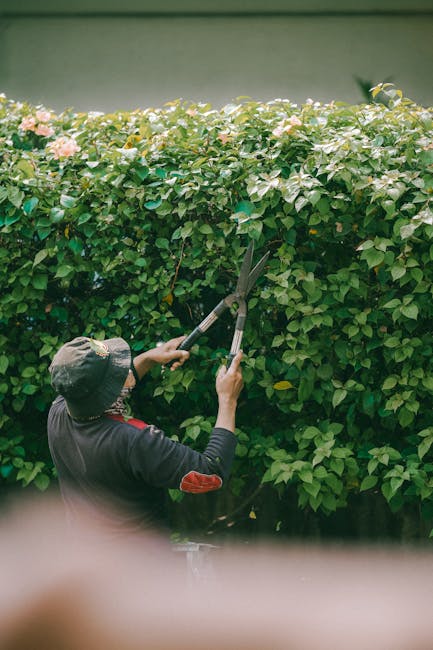
Sanderstead Station garden care guide for small terraces
If you live near Sanderstead Station and your outdoor space is more terrace than garden, you already know the balancing act: a few square metres, a lot of weather, and not nearly enough room for every plant you fancy. The good news? A small terrace can still feel lush, calm, and properly cared for. This Sanderstead Station garden care guide for small terraces is built for exactly that kind of space.
Whether your terrace is a suntrap by midday, a breezy spot that dries out too fast, or a north-facing patch that stubbornly stays damp, the principles are similar. Choose the right plants, keep maintenance realistic, and build in a routine that does not become a chore by week three. Simple enough in theory, tricky in real life. Let's make it easier.
Along the way, you'll find practical steps, common mistakes to avoid, and a few honest tips from the sort of job where a pot gets moved three times before breakfast. If you later want help beyond the guide, it can also be useful to look at the wider garden care services overview, or learn more about the team on the about us page.
Table of Contents
- Why Sanderstead Station garden care guide for small terraces Matters
- How Sanderstead Station garden care guide for small terraces Works
- Key Benefits and Practical Advantages
- Who This Is For and When It Makes Sense
- Step-by-Step Guidance
- Expert Tips for Better Results
- Common Mistakes to Avoid
- Tools, Resources and Recommendations
- Law, Compliance, Standards, or Best Practice
- Options, Methods, or Comparison Table
- Case Study or Real-World Example
- Practical Checklist
- Conclusion
- Frequently Asked Questions
Why Sanderstead Station garden care guide for small terraces Matters
Small terraces are easy to underestimate. They look simple from the street, but in practice they ask for careful planning. There is less soil volume, less shelter, and less room for error. One hot spell and the pots dry out. One wet week and the drainage issue shows up. One gusty afternoon and your taller plants are leaning like they've had a long day on the train platform.
That is why a focused garden care guide matters. The aim is not to create a full-scale garden where one cannot fit. It is to make a compact terrace feel usable, tidy, healthy, and pleasant across the seasons. For many homes near Sanderstead Station, that means combining soft planting with practical surfaces, smart watering habits, and manageable maintenance.
There is also a lifestyle angle. A well-kept terrace can give you somewhere to sit with coffee at 8 a.m., dry herbs for the kitchen, or just shut the back door and feel the house breathe a bit easier. To be fair, that feeling matters more than people admit.
If you are comparing professional support, it is worth understanding not just the gardening task itself but the service standards around it. Pages such as health and safety policy and insurance and safety information help set expectations about how a reputable company approaches work on private homes.
How Sanderstead Station garden care guide for small terraces Works
The practical idea behind terrace garden care is straightforward: design for scale, then maintain for consistency. Instead of trying to do everything at once, you work in layers.
First comes assessment. Look at how much sun the space gets, where rain collects, what the wind does, and how you actually use the area. That last part gets skipped far too often. A terrace used for breakfast needs different planting and access than one used mainly for storage and a couple of containers.
Next comes structure. On a small terrace, the hard layout matters almost as much as the planting. Pot placement, walkway clearance, rail planters, trellis panels, and even the colour of containers all shape how big or cramped the space feels. Then you add planting with the right root depth, watering needs, and growth habit.
Finally, there is maintenance. Regular deadheading, light pruning, checking drainage, sweeping leaves, and feeding at the right time keep the terrace from sliding into that half-loved look. Not dramatic, just consistent. And consistency wins, especially in compact spaces.
A sensible maintenance plan often links to broader service choices too. If you are budgeting or planning repeat visits, the pricing and quotes page is a useful starting point for understanding how garden care may be arranged in a straightforward, transparent way.
Key Benefits and Practical Advantages
A well-cared-for terrace gives you more than visual appeal. It improves day-to-day use, reduces avoidable plant loss, and makes the whole property feel better maintained. That is especially true in smaller spaces, where every pot and every corner is visible.
- Better use of limited space: A compact terrace can hold more than you think when plant height, width, and movement are planned properly.
- Less maintenance stress: Small-space planting is easier to manage when the care routine is simple and predictable.
- Improved drainage and plant health: The right containers and soil mix reduce root problems and soggy compost.
- Cleaner, calmer appearance: A few well-chosen plants often look sharper than a crowded mix of mismatched ones.
- More privacy and comfort: Vertical planting, screening, and trained climbers can soften neighbouring views without taking up floor space.
There is also the sustainability angle. Small terraces can be surprisingly eco-friendly when you choose peat-free compost where suitable, reuse containers well, and plan watering carefully instead of hosing everything down. If that matters to you, the recycling and sustainability page is a helpful companion resource.
One more practical point: a good terrace does not have to be perfect. Honestly, perfection is overrated. A little seasonal movement, a few leaves, some natural variation - that is normal. What you want is healthy, tidy, and under control.
Who This Is For and When It Makes Sense
This guide is for homeowners, tenants, landlords, and busy people who want their terrace near Sanderstead Station to look cared for without needing a full-time gardening habit. It is especially relevant if your outdoor space is:
- small or narrow
- mostly paved or decked
- used for seating, pots, and light planting rather than lawns
- exposed to wind or shade
- hard to access for large equipment
- shared, overlooked, or bounded by walls and fences
It also makes sense if you have tried a few plants before and watched them fail for reasons that were never quite obvious. Was it the sun? Overwatering? Poor compost? Wrong pot size? Usually it is a mix, which is a bit annoying, but also fixable.
If you are a landlord or managing a property close to the station, a neat terrace can improve presentation without requiring elaborate landscaping. If you are a busy household, a sensible planting plan can save time and stop the space becoming a source of guilt every time you look out of the window.
And if you are considering professional help for the first time, start by understanding the company itself. The services overview and contact page are usually the most practical next stops.
Step-by-Step Guidance
Here is a clear way to care for a small terrace without overcomplicating it. You do not need a grand redesign. You need a sequence that works.
1. Start with a proper reset
Clear out dead annuals, broken pots, faded supports, and anything that has been sitting there "for now" since last summer. Sweep the surface. Check drainage holes. Lift each container to see whether water is sitting underneath it. You will notice problems much faster when the space is clean.
2. Work out the conditions
Spend a day watching the terrace at different times. Morning light, midday sun, evening shade, wind channels, damp corners - all of it matters. A south-facing terrace can become very dry, while a shaded one near walls may stay cold and retain moisture longer than expected. That tiny detail changes everything.
3. Group plants by need
Keep thirsty plants together, drought-tolerant plants together, and shade lovers together. This makes watering easier and reduces the chance of one plant thriving while another sulks. It also helps the terrace look intentional rather than randomly assembled.
4. Choose containers that suit the scale
Small terraces can take a few oversized containers, but not too many. That is the trap. One large pot with a feature shrub often looks better than six small ones with no room to breathe. Aim for variation in height and texture, but keep the overall composition restrained.
5. Improve the growing medium
Use good-quality compost suited to the plant type. For patio containers, drainage is critical. If compost becomes compacted or waterlogged, roots struggle. Refresh the top layer during the season, and repot when a plant becomes root-bound. A plant circling its pot is a quiet warning, not a decoration.
6. Set a simple watering rhythm
Water deeply rather than frequently sprinkling the surface. In warmer weather, containers may need daily attention, especially in exposed spots. In cooler spells, far less. Try to water early in the morning or later in the evening when evaporation is lower. That bit alone can make a noticeable difference.
7. Add structure and vertical interest
Vertical space is your best friend on a terrace. Trellis panels, wall-mounted planters, and climbers can draw the eye upward without taking up precious floor area. Climbing plants can also soften brick, fencing, and railings, which helps the space feel less boxy.
8. Maintain regularly, not frantically
Little and often is the rule. Deadhead, pinch back growth, remove yellow leaves, and check for pests during your routine visit. A ten-minute tidy every week beats a four-hour rescue job later. That is one of those garden truths that sounds boring until you need it.
Expert Tips for Better Results
Small terraces respond well to smart constraints. You are not trying to fill every gap; you are trying to make every element count.
Expert summary: On compact terraces, the best results usually come from fewer plants, better container choices, and a steady maintenance pattern. Most problems are not dramatic. They are small, repeated mistakes that build up quietly.
Here are a few practical tips that often make a bigger difference than people expect:
- Use repetition: Repeat one or two plant types or pot colours to give the terrace visual calm.
- Think in layers: Ground level, mid-height, and vertical planting create depth without clutter.
- Leave breathing room: Empty space is not wasted space. On a terrace, it helps plants stand out.
- Match pots to wind exposure: Lightweight containers can topple easily in exposed spots, which is irritating and avoidable.
- Watch microclimates: A wall can create warmth, while a corner can trap dampness. Same terrace, different rules.
- Choose plants you can actually manage: The best plant is not the rarest one. It is the one you will keep alive in your real routine.
A small but useful trick: if you want your terrace to look fuller without overcrowding it, use one tall plant, one medium textural plant, and one trailing plant per grouping. It sounds simple because it is. Also, it works. Most of the time, anyway.
For ongoing support, many homeowners prefer a service relationship that includes maintenance planning, safety, and clear communication. If that sounds useful, a quick look at safety expectations and payment and security can make the process feel more straightforward.
Common Mistakes to Avoid
Small terraces are unforgiving in a quiet way. They do not hide mistakes for long. Here are the most common ones we see.
- Overcrowding: Too many pots make the terrace look smaller and make maintenance harder.
- Ignoring drainage: Waterlogged roots can ruin a season before you realise what has happened.
- Using mismatched plant needs: Shade plants and sun lovers in the same container rarely stay happy together.
- Letting growth run unchecked: A fast climber can overwhelm a terrace before midsummer, no joke.
- Choosing containers only for looks: Beautiful pots are great, but not if they crack, tip, or dry out too quickly.
- Forgetting winter protection: Exposed terraces can be hard on evergreens, tender plants, and terracotta.
One particularly common issue is the "I'll sort it next weekend" pattern. We have all done it. The trouble is that terraces move fast; a warm week, a windy spell, and suddenly things look a bit tired. Catching problems early keeps the whole area from slipping.
Another mistake is aiming for instant impact and forgetting the long game. Fast-growing looks impressive for a month, then becomes work. A slower, steadier layout often ends up looking better by the second season.
Tools, Resources and Recommendations
You do not need a shed full of equipment to care for a small terrace, but a few basic tools make life easier. Keep it practical. Keep it light.
| Item | Why it helps | Best for |
|---|---|---|
| Hand fork and trowel | Useful for repotting, loosening compost, and planting in tight spaces | Container planting and seasonal refreshes |
| Small watering can | Gives better control than a hose on a compact terrace | Daily watering in dry periods |
| Secateurs | Handy for deadheading, trimming, and light pruning | Routine tidying |
| Brush or outdoor broom | Keeps paving, decking, and corners looking cared for | Weekly clean-ups |
| Plant supports or ties | Stops climbers and taller plants from flopping over | Vertical planting and screening |
If you are sourcing materials for a care plan, think in terms of durability, drainage, and weight. Heavy ceramic can look lovely, but it may be awkward on upper terraces. Lightweight options are often easier to manage, especially where access is tight.
For readers comparing service options, the most relevant site pages are usually the pricing and quotes page, the services overview, and the trust-led pages such as terms and conditions. It is not glamorous reading, granted, but it helps you know what to expect.
Law, Compliance, Standards, or Best Practice
For a small terrace garden, there are usually no special legal complications, but there are still sensible best practices to follow. In the UK, property owners and occupiers should think about basic safety, neighbour relations, waste handling, and the condition of access routes.
If a gardener or contractor is working on your terrace, it is reasonable to expect safe working methods, appropriate insurance, and clear communication about any hazards, access constraints, or fragile surfaces. That is especially true where work involves ladders, powered tools, or carrying materials through tight spaces.
Best practice also includes:
- keeping pathways clear while work is underway
- avoiding damage to shared access areas
- disposing of green waste responsibly
- respecting noise and timing where neighbours are close by
- being careful with water runoff on paving and steps
If you want to understand how a company approaches these responsibilities, the pages on insurance and safety and recycling and sustainability are useful, plain-English references. They help set expectations without overcomplicating things.
Truth be told, most terrace issues are not legal issues at all. They are practical ones. But practical done badly becomes expensive, messy, or stressful. So it pays to be a little careful.
Options, Methods, or Comparison Table
If you are deciding how to maintain a small terrace, it helps to compare the main approaches side by side. There is no single right answer. It depends on time, budget, and how hands-on you want to be.
| Approach | Best for | Pros | Trade-offs |
|---|---|---|---|
| DIY maintenance | Homeowners with time and interest | Flexible, low-cost, personal control | Easy to delay, harder to troubleshoot issues |
| Occasional professional help | People who want seasonal refreshes or problem-solving | Good for pruning, repotting, and rebalancing the layout | Less consistent than regular visits |
| Regular maintenance visits | Busy households or properties that need consistent presentation | Reliable, tidy, easier to keep plants healthy | Requires ongoing budget planning |
For many terraces, the sweet spot is a hybrid approach. You keep day-to-day watering and basic tidy-up yourself, then bring in help for pruning, repotting, reshaping, or a seasonal reset. That way the space stays manageable instead of becoming a source of weekend dread.
And yes, terraces can absolutely be done well on a modest routine. They do not need heroic effort. Just the right effort, at the right time.
Case Study or Real-World Example
Here is a realistic example based on a typical small terrace near a station: a narrow paved space with two wall sides, one sunny corner, and a row of mixed pots that had gradually become cluttered. The owner wanted it to feel calmer and easier to look after, especially during the warmer months when watering became a daily job.
The first step was not adding more plants. It was removing the wrong ones. A few containers were too small, one climber had outgrown its support, and several pots were sitting with poor drainage. After that, the layout was simplified into three planting groups: a taller screen plant at one end, a central cluster of medium-height pots, and trailing or softer planting near the seating area.
The result was not a dramatic transformation in the magazine sense. It was better than that. It became usable. It felt deliberate. Watering got easier because similar plants were grouped together. The terrace looked better from inside the house. And, perhaps most importantly, the owner stopped avoiding it.
That last bit is usually the real success measure. If you walk past your terrace and think, "Actually, that's fine," then the plan is working.
Practical Checklist
Use this quick checklist to keep your small terrace on track through the season.
- Check which parts of the terrace get sun, shade, and wind
- Remove dead plants, broken pots, and clutter
- Confirm every container has proper drainage
- Group plants with similar watering needs
- Leave enough space for movement and cleaning
- Use vertical features where floor space is limited
- Water deeply, not just on the surface
- Deadhead and prune regularly
- Feed container plants according to their needs
- Watch for pests, yellow leaves, and root crowding
- Protect tender plants in colder weather
- Keep a simple maintenance rhythm you can actually sustain
Quick takeaway: the best small terraces are not the fullest ones; they are the ones with a clear structure, healthy planting, and maintenance that fits real life.
Conclusion
A small terrace near Sanderstead Station can be a genuinely lovely space when it is cared for with a light touch and a clear plan. You do not need to chase perfection. You need the right plants, sensible containers, good drainage, and a routine that feels manageable in an ordinary week, not just in an ideal one.
Start small if you need to. One tidy corner can change how the whole terrace feels. Then build from there. That is usually how the best outdoor spaces come together anyway - slowly, sensibly, and with a bit of attention at the right moments.
If you are ready to explore support for your own terrace, take a look at the services overview, review the pricing and quotes page, or get in touch through the contact page when you are ready.
Get a free quote today and see how much you can save.
Care for a terrace well, and it quietly gives back every day. That's the nice bit, really.
Frequently Asked Questions
What is the best way to care for a small terrace garden near Sanderstead Station?
The best approach is to keep the layout simple, group plants by watering needs, and maintain a regular routine of watering, deadheading, pruning, and sweeping. Small spaces do best with consistency rather than complicated design.
How often should I water terrace plants?
It depends on sun, wind, pot size, and season. In warm, exposed weather, containers may need daily watering. In cooler periods, far less. The goal is to water deeply and check the compost rather than sticking to a rigid timetable.
Which plants work best on a compact terrace?
Choose plants suited to your light levels and the amount of care you can give. Drought-tolerant plants suit sunny terraces, while shade-tolerant choices are better for north-facing or enclosed spaces. The right plant is the one that matches the conditions, not the trend.
How can I make a small terrace look bigger?
Use fewer but larger containers, repeat a limited colour palette, and add vertical planting such as climbers or wall supports. Leaving some open space also helps. Crowding usually makes a terrace feel smaller, not fuller.
Do I need professional help for a small terrace?
Not always. Many people manage their own terrace care quite well. Professional help makes sense if you need a seasonal reset, have problem plants, want a more polished look, or simply do not have the time to keep on top of it.
What is the most common mistake with container planting?
Overwatering and poor drainage are probably the biggest issues. A pot can look fine from the outside while the roots are sitting in wet compost. Always check drainage holes and avoid mixing plants with very different water needs in the same container.
How do I keep my terrace tidy in autumn and winter?
Remove fallen leaves, cut back tired growth, protect tender plants from frost, and avoid leaving soggy compost or damaged pots in place. Winter tidiness is less about perfection and more about preventing avoidable damage.
Can a small terrace support climbers or screening plants?
Yes, absolutely. Climbers and compact screening plants are often one of the best uses of a small terrace because they add privacy and height without taking up much floor area. Just make sure the support is secure and suited to the plant's eventual size.
How do I know if my terrace needs repotting or a full refresh?
If plants dry out too quickly, become root-bound, stop growing well, or look unbalanced in their containers, it may be time for repotting or a layout refresh. A full reset is also sensible if the space has become cluttered or difficult to maintain.
Is terrace garden care expensive?
It can be very manageable if you keep the planting scheme sensible and avoid constant replacement. Costs usually depend on the number of containers, the condition of the space, and whether you want one-off help or ongoing maintenance. It is worth checking quotes before committing.
What should I look for in a garden care service?
Look for clear communication, sensible safety practices, insurance, transparent pricing, and a service that understands small-space work. You want someone who respects access, drainage, and the realities of compact terraces rather than treating every space like a large garden.
Where can I learn more or ask for help?
You can explore the services overview, review the about us page for company background, or use the contact page if you want to discuss your terrace directly.